Your Ultimate Guide to Planning a Budget for Your New Patio in 2026
Are you dreaming of a new patio but unsure how to budget for it? The journey to creating the perfect outdoor space begins with understanding the costs involved. Whether you want a cozy nook for family gatherings or a spacious area for entertaining friends, knowing how to plan a realistic budget is essential. In this guide, we will break down the key factors to consider when budgeting for a patio, ensuring you have all the tools necessary to make informed decisions in 2026.
patio design guideWith the increasing popularity of outdoor living spaces, many homeowners are eager to transform their backyards. However, embarking on such a project without a clear financial plan can lead to overspending and unexpected costs. From materials and labor to permits and design options, every aspect contributes to the overall expense. This article aims to provide you with a comprehensive overview of the patio planning process, helping you to navigate each stage with confidence.
Additionally, understanding the nuances of patio cost calculations will empower you to compare prices and materials effectively. As you consider your options, it’s crucial to be aware of the potential pitfalls and how to avoid them. Budgeting is not just about numbers; it’s about creating a space that brings joy and enhances the aesthetics of your home. Let’s dive into the essential elements of budgeting for your patio project in 2026.
Understanding the Costs Involved in a Patio Project
Before you can effectively budget for your new patio, you need to understand what costs are typically involved. The expenses can be broadly categorized into materials, labor, design, and additional features. Each of these components plays a significant role in determining the final price tag of your project. For instance, the choice of materials can vary widely in cost, from economical concrete to luxurious stone or composite decking. Each option has its benefits and drawbacks, which can impact your budget.
Labor costs can also fluctuate based on location and the complexity of the installation. Hiring skilled professionals may come with a higher price, but it often results in better workmanship and durability. On the other hand, DIY projects can save money but may require additional time and effort. Understanding these factors will help you set a realistic budget that aligns with your goals.
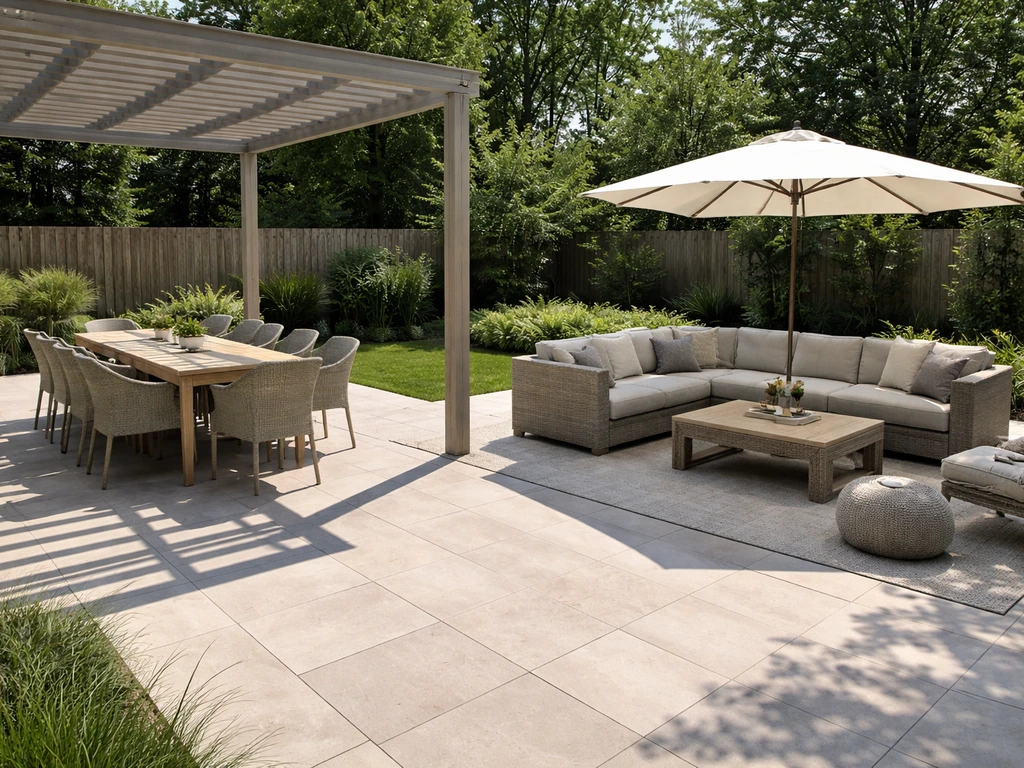
Moreover, it is important to consider any additional features you might want to incorporate into your patio. Elements like built-in seating, lighting, and landscaping can enhance your outdoor space but will also add to the overall cost. Planning for these extras upfront can prevent budget overruns later on. The key is to prioritize your needs and desires to create a space that is both functional and aesthetically pleasing.
Choosing the Right Materials for Your Patio
The materials you select for your patio will significantly influence both the aesthetic appeal and the cost of your project. Popular options include concrete, natural stone, brick, pavers, and composite materials. Each material has its unique characteristics and price points. For instance, while concrete is often the most affordable choice, natural stone can provide a more luxurious look but comes with a higher price tag.
When selecting materials, consider not only the initial costs but also long-term maintenance and durability. Some materials may require more upkeep, while others may last longer and provide greater value over time. Additionally, local climate conditions can affect the suitability of certain materials. For example, if you live in an area with extreme weather, choosing durable materials is essential for ensuring longevity.
As you compare material options, it’s also wise to account for aesthetic preferences. How do you envision your patio blending with your home and garden? Visualizing the end result can help you make more informed decisions regarding material selection. Don't hesitate to seek professional advice or browse design inspiration to find the best fit for your vision.
Estimating Labor Costs for Your Patio
Labor costs can often represent a significant portion of your patio budget, making it crucial to understand how they are calculated. Typically, contractors charge based on the project’s complexity, the time required, and local labor rates. For example, intricate designs or difficult terrain may lead to higher labor costs due to the increased amount of time and skill needed to complete the job.
When hiring professionals, it’s advisable to obtain multiple quotes to compare prices and services. Look for contractors who have positive reviews and a proven track record in patio installations. Additionally, consider discussing the project scope in detail with potential hires to ensure accurate quotes. Clear communication will help prevent misunderstandings and unexpected expenses down the line.
If you’re considering a DIY approach to save on labor costs, be realistic about your skills and available time. While doing it yourself can be rewarding, it may lead to costly mistakes if you're not adequately prepared. Evaluate your abilities and consider seeking help for particularly challenging aspects of the project to ensure a successful outcome.
Planning for Permits and Regulations
Before starting your patio project, it's essential to understand the permitting requirements in your area. Many municipalities require permits for outdoor structures, which can add to the overall cost and timeline of your project. Failing to obtain the necessary permits can result in fines or require you to dismantle work that has already been done, making it crucial to research local regulations.

Permits typically involve submitting plans that outline the size and scope of your patio, along with any other pertinent details. Fees can vary widely by location and project size, so be sure to budget for these costs early in the planning process. Additionally, consider consulting with a local contractor who is familiar with the permitting process to streamline your experience.
Moreover, understanding zoning laws is also important. These laws dictate how much of your property can be developed and may affect the size and placement of your patio. Ensure your plans comply with these regulations to avoid future complications. By proactively addressing permits and regulations, you can avoid delays and budget overruns that arise from unexpected legal issues.
Considering Design Options and Layout
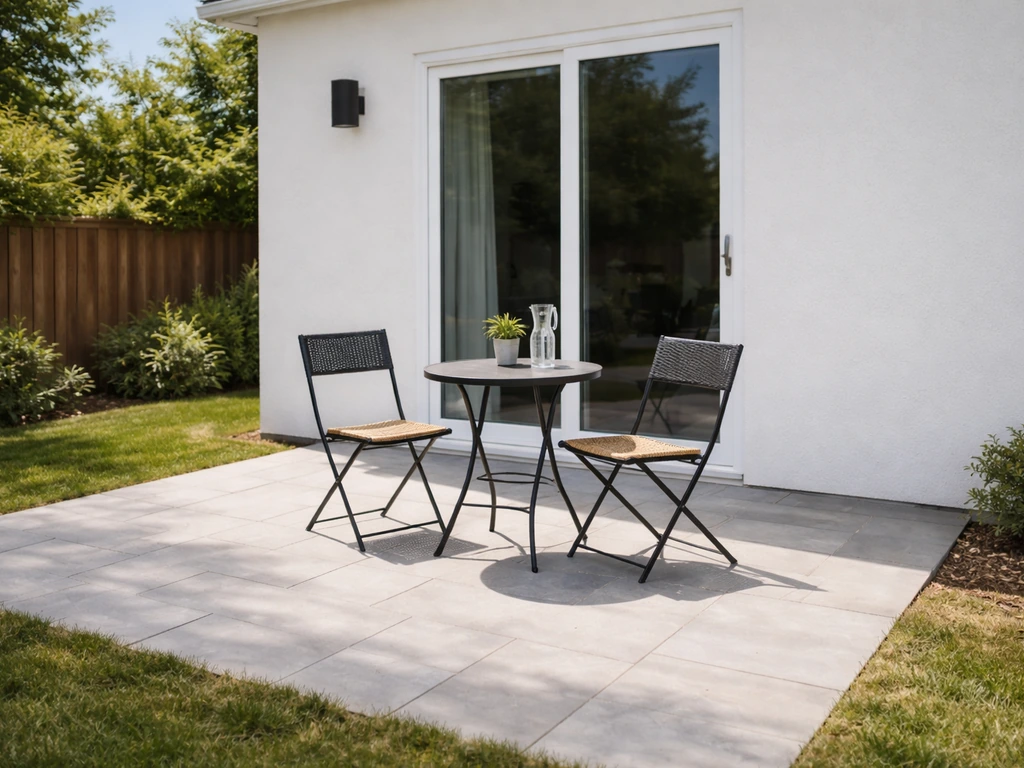
The layout and design of your patio will greatly influence both its functionality and cost. Consider how you plan to use the space—whether for entertaining, relaxing, or dining—and design accordingly. A well-thought-out layout can maximize utility and enhance the overall experience of your outdoor area.
For example, if you plan to host gatherings, incorporating features like built-in seating, fire pits, or outdoor kitchens will require more planning and budget considerations. Conversely, a simpler layout with minimal features may be more budget-friendly and still provide a comfortable area for enjoyment. Weighing your design options carefully will help you create a space that meets your needs without going over budget.
Utilizing design software or consulting with a landscape designer can also be beneficial. These tools can help visualize the project before any work begins, ensuring that your design is both practical and appealing. Additionally, some software can provide cost estimates based on your selected materials and features, aiding in the budgeting process.
Incorporating Landscaping and Additional Features
Landscaping can significantly enhance the aesthetic appeal of your patio, but it’s important to factor these costs into your overall budget. Incorporating plants, flowers, and trees can create a cohesive look that ties your patio into the surrounding environment. Depending on your choices, landscaping can range from relatively inexpensive to quite costly.
Also, consider including features such as outdoor lighting, heating elements, or water features to elevate your patio experience. These additions can create ambiance and usability during the evenings or cooler months but will also require additional budgeting. Prioritize which features are most important to you and allocate your budget accordingly.
Ultimately, landscaping and additional features should align with your overall vision for your patio. Strive for a balanced design that provides beauty and functionality while remaining within your financial limits. Taking the time to plan these elements carefully will result in a more satisfying and enriching outdoor space.
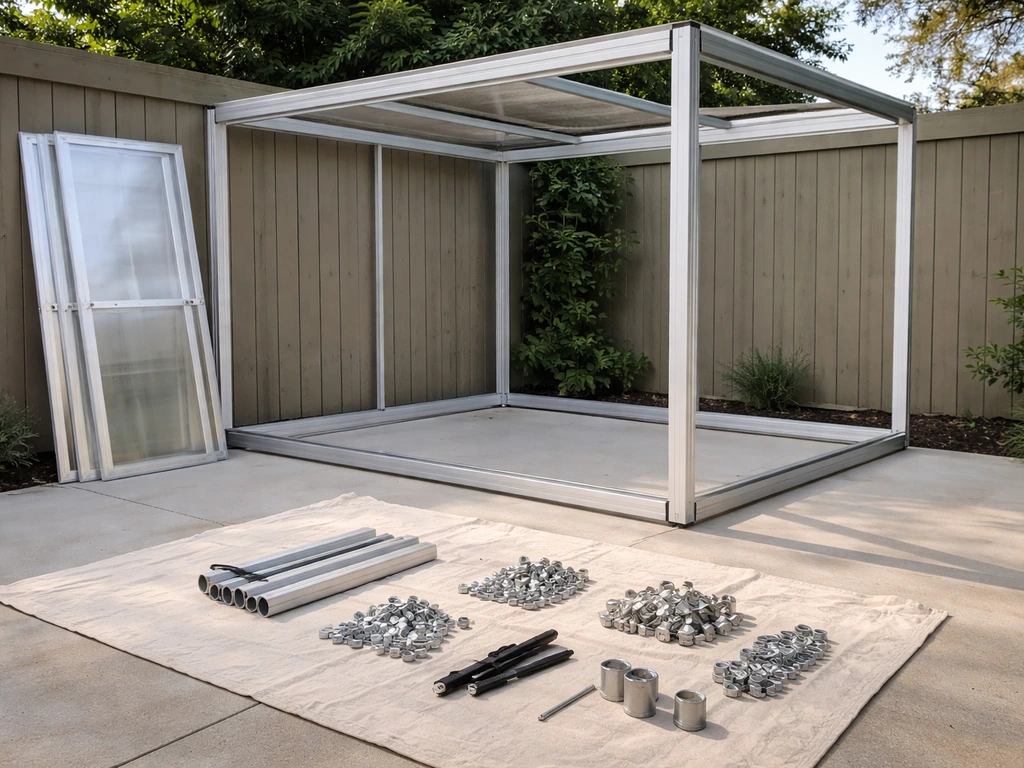
Table of Estimated Costs for Patio Projects
| Material Type | Estimated Cost per Square Foot | Typical Maintenance Cost per Year |
|---|---|---|
| Concrete | $5 - $10 | $0 - $100 |
| Natural Stone | $15 - $30 | $100 - $400 |
| Brick | $8 - $15 | $50 - $200 |
| Pavers | $10 - $20 | $50 - $250 |
| Composite Decking | $10 - $25 | $100 - $300 |
The table above provides a quick reference for estimated costs associated with various patio materials. Understanding these figures can aid in choosing the right materials based on your budget and maintenance preferences. Keep in mind that actual costs may vary depending on your location and specific project details.
Pros and Cons of Different Patio Materials
- Pros:
- Durability: Materials like natural stone and concrete are known for their long-lasting properties, making them a wise investment.
- Aesthetic Appeal: Different materials provide various looks, allowing homeowners to create a unique outdoor space that fits their style.
- Low Maintenance: Some materials, such as composite decking, require less maintenance than traditional options, saving time and money.
- Versatility: Many materials can be customized in terms of color and texture, offering a wide range of design possibilities.
- Cons:
- Cost: High-end materials like natural stone can significantly increase your budget, potentially making them less accessible for some homeowners.
- Installation Complexity: Some materials require specialized skills for proper installation, which can lead to higher labor costs.
- Maintenance Requirements: Certain materials, such as wood, may require regular upkeep to prevent deterioration.
When considering materials for your patio, it’s essential to weigh the pros and cons carefully. Each option has its unique advantages and drawbacks that can impact your budget and long-term satisfaction. By understanding these factors, you can make better decisions that align with your needs and preferences. outdoor patio ideas
Frequently Asked Questions
- What is the average cost of building a patio?
The average cost of building a patio can range from $1,500 to $5,000, depending on the materials used and the size of the patio. More elaborate designs or premium materials can push costs higher, but basic installations can be more budget-friendly.
- Do I need a permit for my patio?
It depends on your local regulations. Many municipalities require permits for patio constructions, especially if they are attached to a house or exceed a certain size. It’s best to check with your local building authority.
- How long does it take to build a patio?
The time it takes to build a patio can vary widely based on the design and materials. Simple installations may take just a few days, while more complex projects can take several weeks to complete.
- What materials are best for a budget-friendly patio?
For a budget-friendly patio, consider materials like concrete or pavers, which offer a good balance of cost and durability. These materials are often less expensive than natural stone or composite options.
- Can I build a patio myself to save money?
Yes, building a patio yourself can save money on labor costs. However, it's important to have the necessary skills and tools to avoid costly mistakes. Consider starting with a simple design if you're new to DIY projects. patio cost calculator
- What features can I add to enhance my patio?
Features like built-in seating, outdoor lighting, fire pits, and landscaping can enhance your patio. These additions can create a more inviting atmosphere and improve usability, but they will also increase your overall budget.
- How can I maintain my patio?
Maintenance will vary based on materials. Regular cleaning, sealing, or staining may be necessary for certain materials to prevent damage. Research specific care instructions for your chosen materials to ensure longevity.
Conclusion
Budgeting for a patio project involves careful consideration of various factors, from materials and labor to permits and design features. By understanding the costs associated with each component, you can create a realistic budget that aligns with your vision. Remember to prioritize your needs, explore different materials, and consider potential additional features that can enhance your outdoor space.
As you embark on this exciting journey, keep in mind that planning is key. Taking the time to research and gather information will not only help you save money but also ensure that your patio meets your expectations. With the right approach, you can create a beautiful and functional outdoor area that you and your family will enjoy for years to come.

